
Colorado’s Front Range is well known for its 300 days of sunshine a year, and while this is perfect for Rocky Mountain adventures, it also creates a very harsh environment for pavement. In addition to snow and rain, intense sunlight has its own damaging effects on pavement.
Most people don’t notice it, but roads and parking lots fade from rich black to dull gray faster than pavements located at sea level, and this is an important consideration for residential or commercial paving in Northern Colorado. Asphalt graying is an early indicator of chemical degradation beneath the surface, a process driven directly by high-altitude UV exposure. This post will cover how asphalt fading works, how it affects your pavement’s structural integrity, and how to ensure a longer-lasting asphalt surface.
The Chemistry of High-Altitude Oxidation
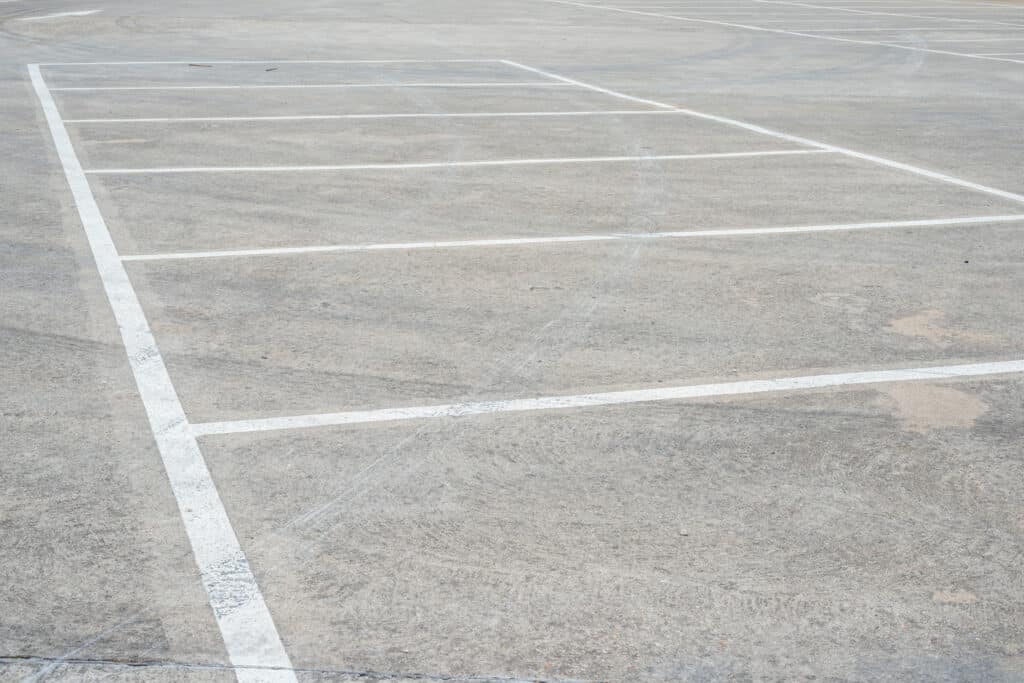
Asphalt is a mixture of stone aggregate held together by a thick, petroleum-based liquid known as asphalt binder. When it's installed, this binder coats every stone and gives the pavement its deep black color as well as its flexible strength. However, intense UV exposure triggers a process called photo-oxidation. As the binder oxidizes, it loses its essential oils and resins, becoming a brittle substance. The rich black pigment degrades, revealing the lighter aggregate underneath.
At higher elevations, the atmosphere can’t filter the UV rays as effectively, which means the Front Range receives significantly higher UV intensity than coastal regions. This elevated radiation accelerates oxidation, causing Colorado asphalt to fade and dry out faster than it does elsewhere.
Beyond Fading: Structural Vulnerability to Severe Weather
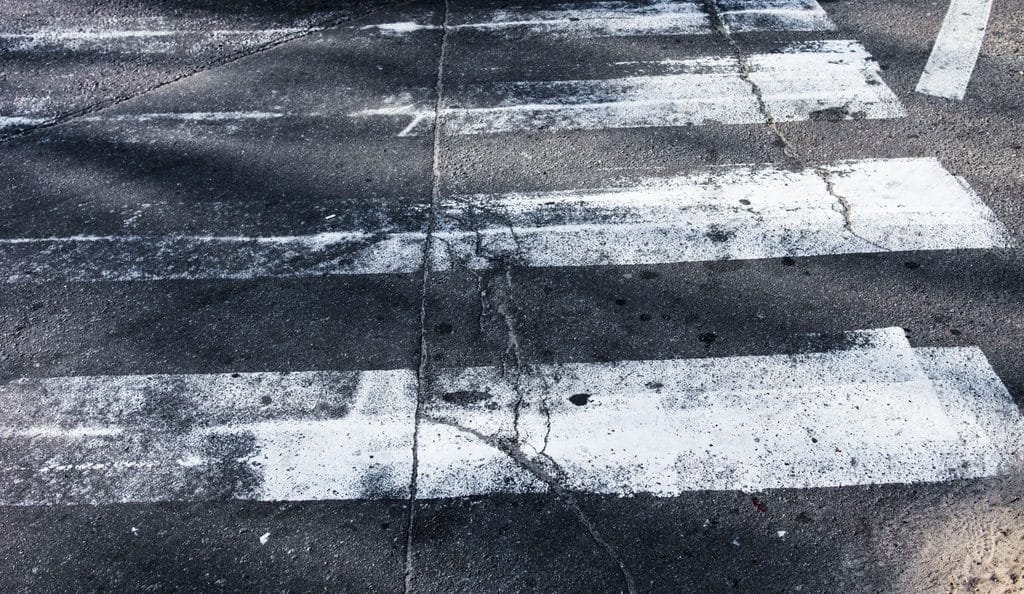
The cosmetic shift from black to gray signals a much larger issue: structural compromise. As UV rays strip the binder of its flexibility, the asphalt surface can no longer expand and contract comfortably with daily temperature fluctuations.Once the binder's adhesive bond breaks down, aggregate stones begin to dislodge, leading to “raveling,” which is when the smaller stones and particles loosen and dislodge so the asphalt becomes rough and uneven.
Raveling further damages asphalt by creating more areas for water penetration and wear from traffic. This UV-induced brittleness sets the stage for severe winter damage. During Front Range freeze-thaw cycles, water seeps into these cracks and it expands when night temperatures plunge and the water freezes into ice. This process blows out small cracks into deep potholes and widespread cracking.
Formulating Asphalt for High UV Environments
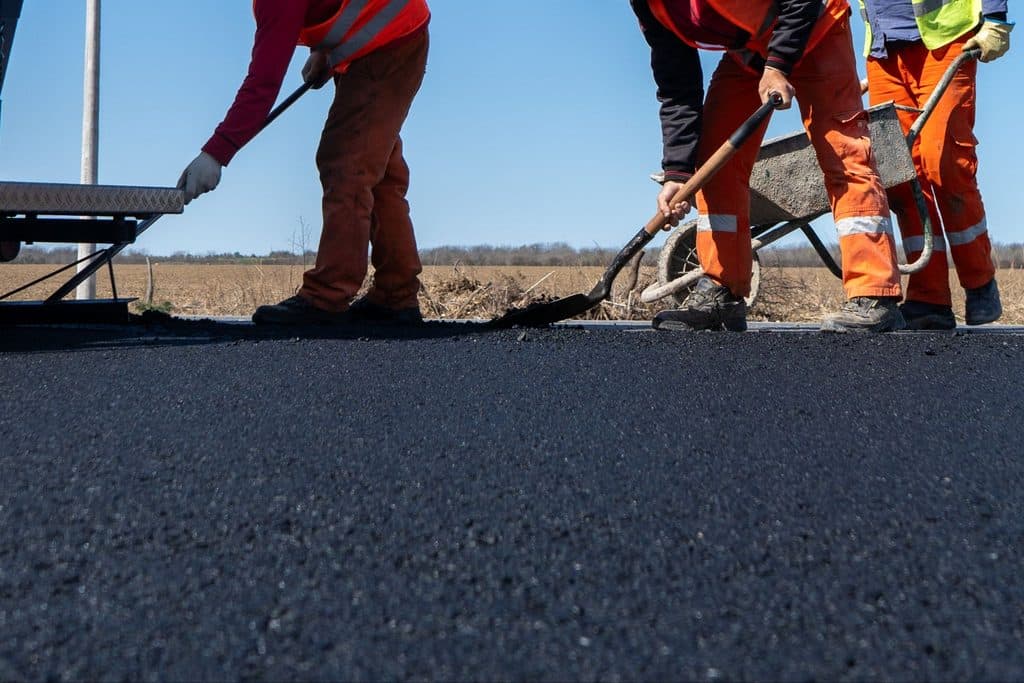
Stopping or fixing solar degradation begins at installation. Modern mix designs can be customized to resist oxidation and hold their deep color longer under Colorado's intense sun exposure. Engineers and contractors achieve this by incorporating polymer-modified binders (PMBs). Adding synthetic polymers to the asphalt cement increases its elasticity and thermal stability, which gives it a stronger shield against harsh UV rays.
Choosing UV-resistant aggregates with darker natural pigmentation helps preserve the asphalt’s darkness and appearance, even as the surface layer wears over time. Adjusting the asphalt mix design to include the right optimal liquid binder content ensures every aggregate stone receives coating that resists rapid drying.
Asphalt Doctors Protects Your Pavement Investment
While custom mix formulations can lay a strong foundation, the best defense against ongoing UV exposure is routine protection. Applied every few years, a professional sealcoat acts as a sacrificial barrier, absorbing UV rays and preventing oxygen from reaching the asphalt binder. Proactive care includes installing fresh asphalt paving specifically engineered for high altitude, or establishing a preventative asphalt maintenance program for existing surfaces..
At Asphalt Doctors, we understand the unique stresses that Colorado's high altitude imposes on asphalt. Reach out to our team today to evaluate your pavement and discover long-lasting solutions, designed specifically for Front Range pavement.