
New asphalt will fail early if the foundation underneath it cannot support the pavement. Weak soil, poor compaction, unsuitable subbase material, and drainage problems can lead to cracking, rutting, and settlement within just a few years.
Before paving starts, property owners should know what lies beneath the asphalt, how the contractor will prepare it, and what they’ll do to ensure the pavement has a stable foundation.
What is a Subbase?
A paved surface typically relies on several layers, and each one has a different job.
The subgrade consists of the existing soil; it provides the underlying support for the pavement system. Above the subgrade, contractors may install a subbase made from compacted aggregate or other suitable material. A base course may also form part of the structural foundation directly beneath the asphalt. The exact design depends on factors such as soil conditions, drainage, traffic loads, and the property's intended use.
How a Subbase Problem Turns Into Asphalt Failure
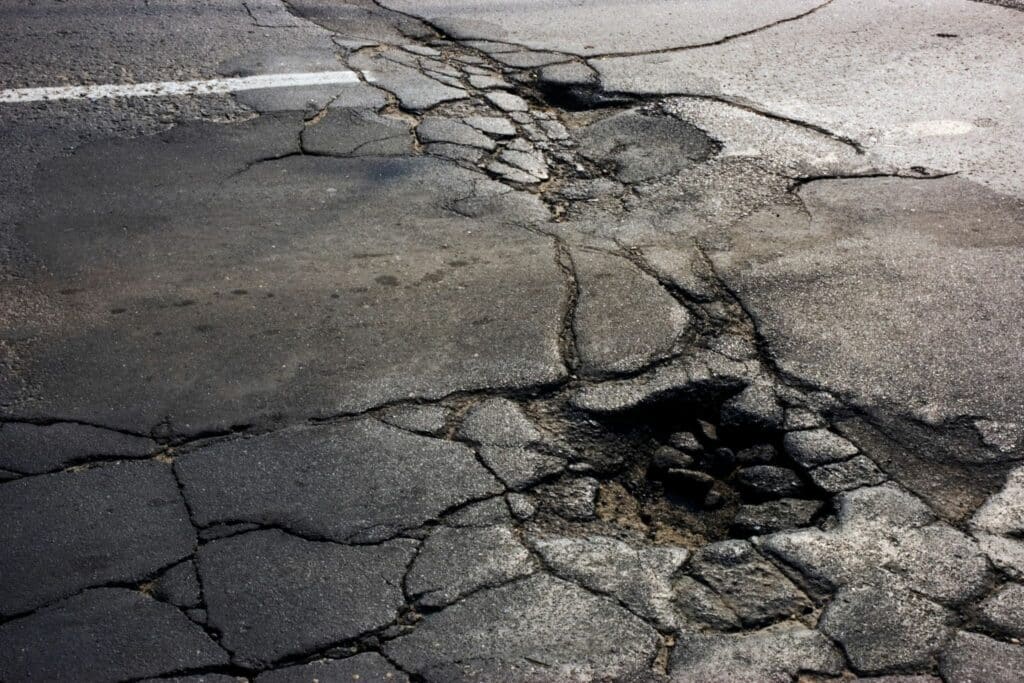
Subbase failures usually follow a predictable pattern. A weak or poorly prepared foundation allows movement beneath the asphalt, and the surface eventually shows the damage. It’s important to be aware that while visible asphalt damage may take years to develop, the underlying problem can start with the foundation on the day the pavement was installed.
Poor Compaction = Settlement
Loose aggregate contains air gaps and can compress under vehicle loads. As the material settles, the asphalt above it loses support and sinks. This can create low spots, uneven pavement, and depressions.
Soft or Unstable Soil = Differential Settlement
If one section of the subgrade remains weaker than the surrounding soil, it may compress more under the same traffic. The asphalt then settles unevenly, which can cause cracks around the affected area and leave an uneven driving surface.
Inadequate Aggregate = Weak Structural Support
If the subbase material does not provide adequate stability, traffic can gradually deform the pavement structure. Repeated wheel loads can produce ruts, especially in areas that receive frequent vehicle traffic.
Water Beneath the Pavement = Weakened Foundation
Poor drainage can allow water to collect in or beneath the subbase. Saturated soil and aggregate can lose strength, making the foundation more vulnerable to movement and deformation. Freeze-thaw cycles, quite common in Colorado, can make these problems much worse.
Movement Below the Surface = Cracking Above It
When the foundation shifts or settles, the asphalt has to move with it, ultimately leading to surface cracks. Once cracks open, water can enter the pavement structure and accelerate further deterioration (again, highly susceptible to freeze-thaw cycles).
Continued Traffic = Progressive Failure
Every vehicle adds another load to the weakened area. Over time, cracks can widen, depressions can deepen, and ruts can become more pronounced. Eventually, the pavement may develop potholes or widespread structural damage that requires removal and reconstruction (also known as Full-Depth Patching R&R) rather than a simple surface repair.
What Should Be in Your Paving Proposal?
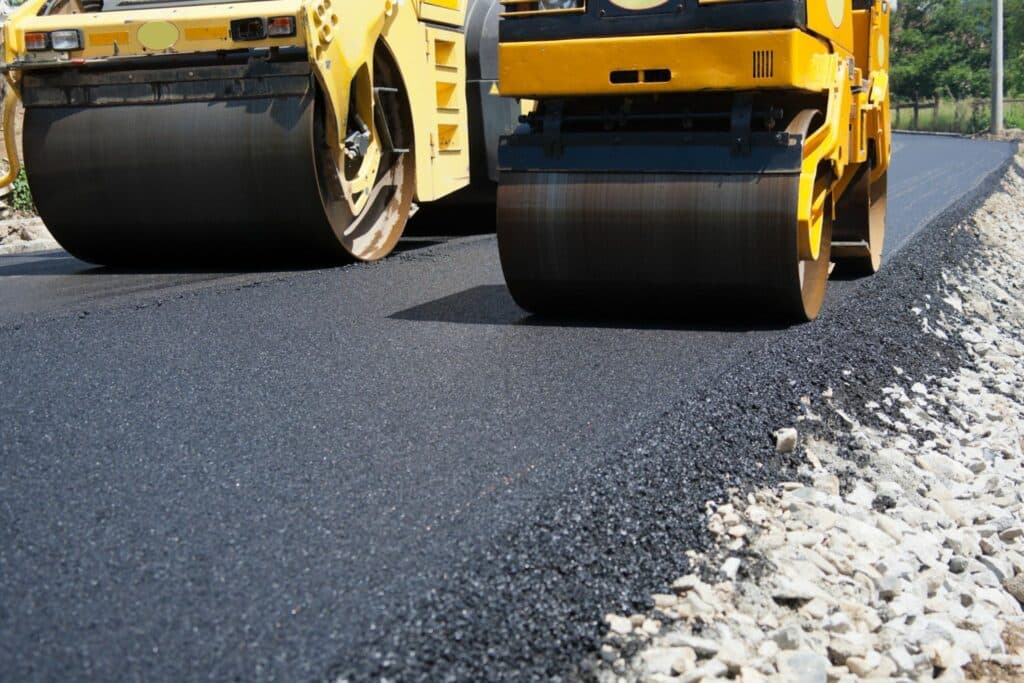
No asphalt contractor expects its customers to be pavement experts, but before work begins, it’s a good idea to ask the contractor to explain:
- What condition is the existing subgrade in?
- Will they remove any soft or unsuitable material?
- What aggregate will they use for the subbase or base?
- How deep will the foundation material extend?
- How will the contractor place and compact it?
- What asphalt thickness does the project require?
- Does the proposal include drainage improvements where needed?
- What happens if the crew discovers unsuitable soil after excavation begins?
- Which foundation-preparation costs are included in the quoted price?
These details can make a major difference, particularly when comparing paving proposals. That’s because two contractors may quote similar asphalt thicknesses while recommending very different amounts of preparation underneath it (and therefore possibly very different pricing). At Asphalt Doctors, we’re more than happy to sit down with you and explain each of the above factors and why they matter specifically.
Get the Foundation Right
New asphalt paving needs a stable, properly compacted foundation. If the subbase fails, the asphalt will eventually show the damage through cracks, ruts, and settlement.
Our team of pros Asphalt Doctors can assess your site, identify subbase problems, and recommend the preparation needed before paving. Contact us to get your project started on a solid foundation.