
When you invest in commercial asphalt paving for your Colorado business, you expect it to last for years. However, fuel spills and chemical exposure can dramatically shorten your pavement's lifespan. Understanding how these substances affect your asphalt and what you can do to protect it is crucial for maintaining your property's value and safety.
The Science Behind Chemical Asphalt Damage
Asphalt pavement consists of aggregate materials (crushed stone and sand) bound together with asphalt binder, which is a petroleum-based product. When gasoline, diesel, motor oil, or other petroleum-based substances come into contact with your pavement, they act as solvents on the asphalt binder. Both the binder and these fluids come from crude oil refining, so they share similar chemical properties, and spilled fuel quickly dissolves the bonds holding your pavement together. Once the binder begins breaking down, the aggregate becomes loose and unbonded, creating soft spots that are easily damaged by traffic or sharp objects.
How De-Icers Affect Colorado Asphalt
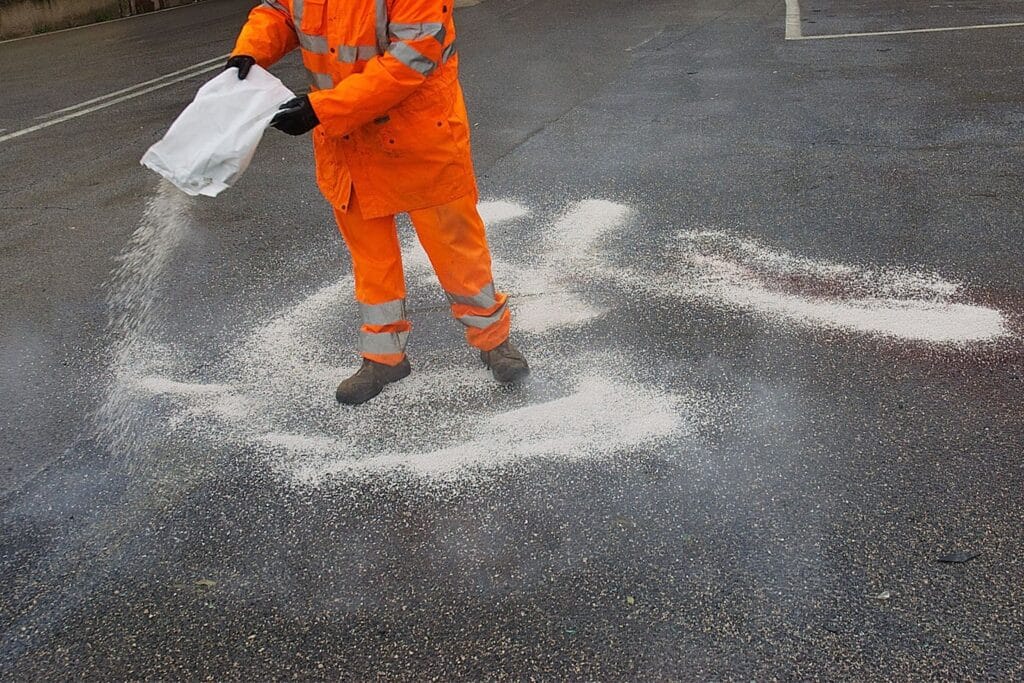
Colorado's winter weather presents another challenge: de-icing chemicals. The Colorado Department of Transportation primarily uses liquid de-icers on roads along with traditional rock salt. The good news is that properly installed hot-mix asphalt is engineered to withstand freeze-thaw cycles and is not directly damaged by salt or de-icers themselves.
However, de-icers can indirectly accelerate pavement deterioration if your asphalt already has cracks or damage. Salt and de-icers keep water in liquid form at lower temperatures. This means the freeze-thaw cycle, where water enters cracks, freezes, expands, and breaks apart the pavement, can now occur at temperatures well below freezing. If your commercial asphalt is already compromised with cracks or potholes, salt will allow more water to penetrate deeper into these openings before it eventually freezes. This can widen existing cracks and worsen pothole formation.
The Impact on Pavement Longevity
Without damaging fuel or chemicals, properly maintained asphalt can last 20-30 years. However, untreated fuel contamination and ongoing exposure to harsh conditions can force replacement in less than 10 years. Damage may initially appear as discoloration and surface staining and the asphalt may feel softer in affected areas. As the damage advances, the surface begins "raveling" or losing aggregate as the weakened binder fails to hold stones in place. This creates a rough, deteriorating surface. Water pooling in these damaged areas carries additional oils and chemicals deeper into the pavement, accelerating deterioration.
Protecting Your Company's Investment
Fortunately, there are proven strategies to protect your commercial asphalt from fuel spills and chemical damage:
Implement Preventive Sealcoating
Sealcoating creates a protective barrier that prevents petroleum products from penetrating the surface and binding with the asphalt binder. For commercial parking lots that experience regular vehicle traffic and potential fuel spills, industry experts recommend sealcoating every 2-4 years.
Act Fast on Spills
Immediately absorb liquid spills with absorbent materials like kitty litter or specialized absorbent pads, working from the outside edges toward the center. Allow absorbents to sit for 15-30 minutes, then sweep them up. Follow with a degreasing agent specifically designed for asphalt, scrub thoroughly, and rinse.
Address Cracks Promptly
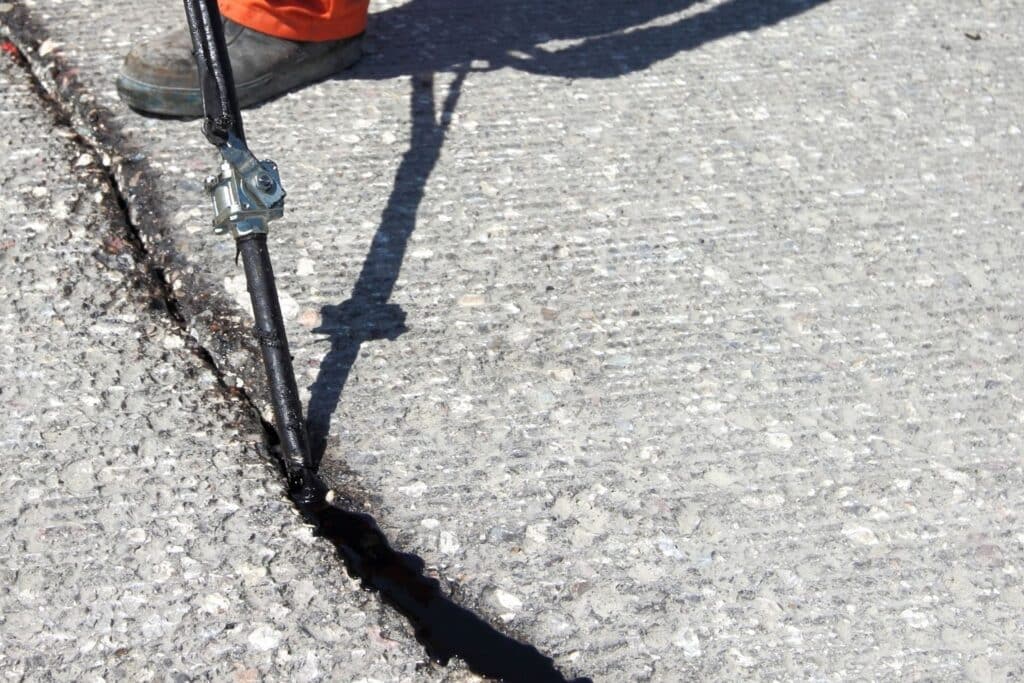
Fill cracks as soon as they appear, ideally before winter arrives in Colorado. This prevents the freeze-thaw cycle from expanding damage and reduces the risk of de-icer-related deterioration.
Regular Inspections and Maintenance
Schedule professional inspections at least annually, preferably in spring and fall. Catching problems early saves thousands in repair costs compared to addressing major structural failures.
The Bottom Line
Your commercial asphalt is a significant investment in your business. Fuel spills and chemical exposure don't have to mean premature replacement. By understanding the science behind pavement damage and implementing a proactive maintenance program, including regular sealcoating, prompt spill cleanup, and crack repair, you can extend your pavement's life by decades.
Ready to protect your asphalt investment? Our experienced team serves Colorado businesses with expert commercial asphalt maintenance, sealcoating, and repair services. Contact Asphalt Doctors today for a free consultation.