
It comes as a surprise to many homeowners that not all asphalt is created equal. Some do better in harsh weather conditions, while others are best for heavy traffic. After all, the same asphalt used on roads isn’t the same for a driveway, sidewalk, or freeway.
When starting on an asphalt paving project, it’s not always clear where to begin. Today, we’re here to help you make the right choice with a handy guide to the ideal asphalt mixes for residential paving.
Hot Mix Asphalt
Also known as bitumen, blacktop, or HMA, hot mix asphalt is the most widely used in major projects. This type is known to be highly durable and weather-resistant, but there are a few sub-types, each with its own performance properties and best applications:
- Stone Matrix Asphalt (SMA): This type of asphalt is designed to increase rutting resistance, reducing tire noise, and higher durability, making it best for high-volume roadways.
- Dense-Graded Mixes: These are known for their impermeable properties, easy applications, water resistance, and are primarily used for asphalt repairs and road or driveway surfaces.
Warm Mix Asphalt
Warm Mix Asphalt (WMA) requires less oil-fuel consumption, emits fewer emissions when creating it, and is less harmful to the environment when used. Warm mix asphalt is therefore an eco-friendlier alternative to hot mix asphalt from production to laying. It’s quickly becoming the new standard across municipalities, but since it's a newer pavement application, long-term performance information is limited. However, it is known to be highly durable and versatile, from the data that is available.
Permeable or Porous Pavement: A Hot or Warm Mix
Porous asphalt, or permeable pavement, is a subtype of hot and warm mix asphalt that is best for stormwater management. As it is designed to naturally filter water and reduce pollutants carried to the waterway, it is both eco-friendly and smart for managing moisture. This type of asphalt is best for homeowners in rainy areas or where flooding is more common.
How to Choose the Right Mix
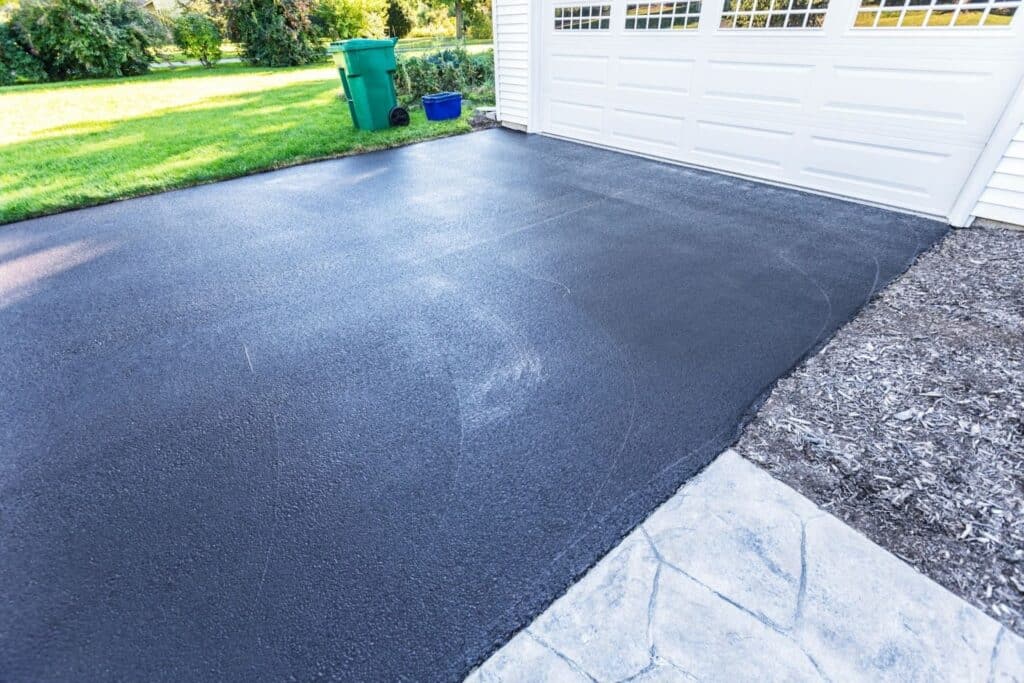
Now that you know the different asphalt options available, how do you decide which one is right for your project? Beyond basic factors like durability and climate, it’s also worth thinking about the final texture, appearance, and overall feel you’re aiming for. Here’s how hot, warm, and cold mix asphalt stack up:
Hot Mix Asphalt (HMA): Best for Strength and a Smooth Finish
Hot mix is the go-to choice for long-lasting, high-traffic surfaces. Because it’s poured at high temperatures, it compacts tightly and creates a smooth, refined texture that looks clean and professional. If you want a driveway or roadway that’s durable, weather-resistant, and has that classic sleek blacktop appearance, HMA is tough to beat. It performs especially well in warmer climates, where cracking from freeze-thaw cycles is less of a concern.
Warm Mix Asphalt (WMA): The Middle-Ground Option
Warm mix asphalt is produced at lower temperatures, which makes it more environmentally friendly and easier to work with than hot mix. It offers a texture similar to HMA—smooth and uniform—but with slightly more flexibility during installation. This makes it a great choice for projects where you want solid durability but also value reduced emissions or need to pave during cooler temperatures without sacrificing quality. Think of it as the balanced, versatile option.
Asphalt Doctors Pave the Way
Here at Asphalt Doctors, we can walk you through the choices available for your pavement project, leveraging decades of experience to guide you to the right decision for your needs. We are trusted experts across the Denver metro area and use state-of-the-art equipment to help homeowners invest in their property for the long haul.
Contact us today to schedule an inspection or request a quote—we’ll keep you on solid asphalt for years to come.