Asphalt pavement might look tough and resilient, but when Colorado snow and rain comes into the picture, things can quickly change. Water has a way of seeping into the smallest cracks, and once it’s in, the damage can begin. As the seasons progress, those cracks can widen and deepen, making your pavement rough and uneven. Understanding how weather elements like snow and rain affect asphalt is key to keeping it in great shape year-round. Here’s what the Asphalt Doctors have to say about it.
Snow and cold temperatures can be particularly harsh on asphalt surfaces. It’s not just the moisture and cold themselves that pose a threat; it’s the freeze-thaw cycles that can cause serious damage. Here's how cold temperatures and snow affect asphalt:
You might wonder: what’s a little rain compared to a snowstorm? Don’t be fooled. The problem with rain isn’t just the water itself—it’s how it interacts with the surface and what's going on beneath. Here’s how rain can damage asphalt:
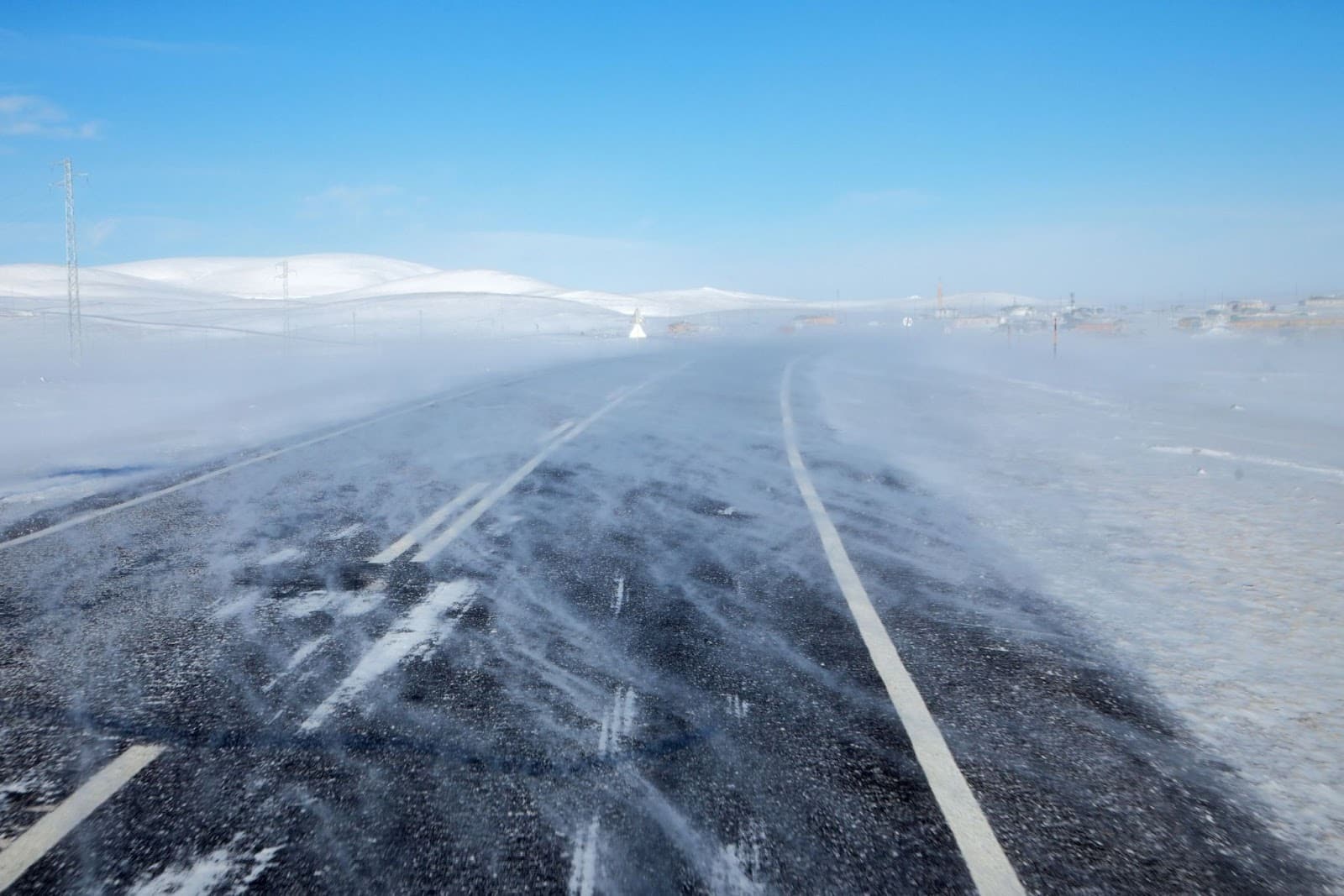
Preventing asphalt damage before it starts is key to keeping your pavement in great shape, especially when it comes to the effects of weather. There are a few simple steps you can take to make sure rain, snow, and everyday wear don’t turn your pavement into a cracked, pothole-filled mess.
First up, sealcoating. Think of sealcoating like sunscreen for your asphalt. It forms a protective barrier on top that helps keep water, UV rays, and chemicals from reaching beneath the surface. By applying a fresh coat every few years, you’re sealing out the moisture that would otherwise seep in and start breaking down the foundation of your pavement. It’s one of the most effective ways to extend the life of your asphalt.
Then there’s crack sealing, which is just as important. Over time, small cracks are bound to form, whether from regular traffic or the natural settling of the ground beneath the asphalt. The trick is not to let them grow into bigger problems. Crack sealing involves filling those little gaps with a durable material that prevents water from sneaking in and making things worse. It’s a simple, cost-effective way to stop rain from wreaking havoc under the surface.
Finally, you can’t forget about drainage. Proper drainage is the unsung hero of asphalt maintenance. If water is pooling or not draining away from your pavement properly, it’s going to cause problems. Installing or fixing drainage systems, like gutters or French drains, can help keep water off the surface and away from the base of the asphalt. This reduces the risk of erosion and the formation of dips or soft spots that lead to more damage down the road.
At Asphalt Doctors, we know asphalt inside and out—literally. Whether your pavement has been hit hard by snow, rain, or just the wear and tear of everyday traffic, we’ve got the tools and expertise to keep it looking its best. From small cracks to major resurfacing, our team can handle it all, making sure your asphalt is strong, smooth, and ready to take on whatever Mother Nature throws its way.
What sets us apart is our commitment to quality. We don’t just patch things up and hope for the best. We take the time to assess the condition of your pavement, find the root cause of the issue, and provide long-term solutions that last. Whether it’s sealcoating to protect against future damage, crack sealing to keep water out, or installing proper drainage systems, we do it all with precision and care.
Ready to give your asphalt the care it deserves? Reach out to Asphalt Doctors today, and let’s create a plan to keep your pavement smooth and strong for years to come. Your pavement will thank you—and so will your wallet.